UAE Visa Stamping Guide: Application, Renewal, and Cancellation Explained
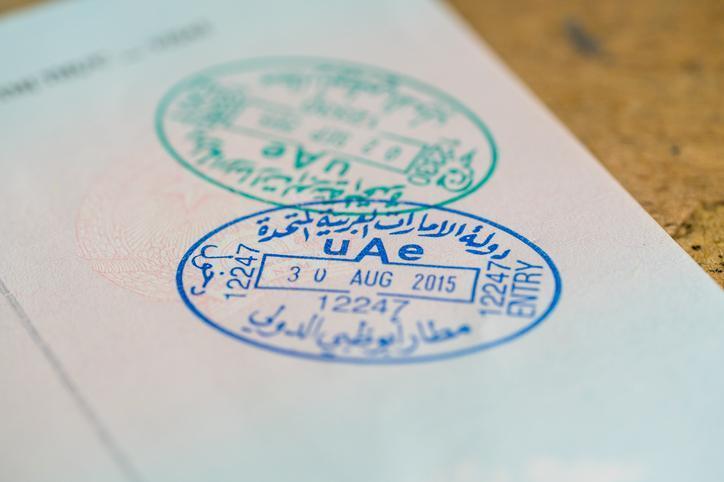
Visa stamping is the official process of obtaining a visa endorsement on your passport from UAE immigration authorities. This stamp serves as legal proof that you are permitted to enter, reside, or exit the UAE for a specified period. It also indicates important details such as the visa type, duration of stay, and any conditions attached to the visa.
The UAE attracts expats, tourists, and business professionals from around the world. Whether you are relocating for work, visiting for leisure, or extending your stay, understanding the visa stamping process is essential. This guide provides clear and simple instructions on how to apply for, renew, or cancel a UAE visa, ensuring a smooth and hassle-free experience.
Types of Visas in the UAE
Before proceeding with the visa stamping process, it’s important to be familiar with the various types of visas issued in the UAE. The most common categories include:
Tourist Visa: Issued to individuals visiting the UAE for leisure or tourism purposes.
Employment Visa: Required for those who have secured a job in the UAE and wish to work legally.
Residence Visa: For expatriates planning to live in the UAE, usually sponsored by an employer or a family member.
Student Visa: Granted to individuals enrolled in UAE educational institutions.
Transit Visa: For travelers passing through the UAE en route to another destination, typically valid for a short duration.
Understanding the visa type applicable to your situation is the first step toward a smooth and compliant stamping process.
How to Get Your Visa Stamped in the UAE
1. Employment Visa Stamping
If you are relocating to the UAE for work, your employer typically manages most of the visa application process. However, knowing the steps can help you stay informed:
Step 1: Job Offer and Initial Approval
After receiving a job offer from a UAE-based company, your employer secures initial approval from the Ministry of Human Resources and Emiratisation (MOHRE) to proceed with your employment visa.
Step 2: Entry Permit
The employer applies for an entry permit, which allows you to legally enter the UAE and begin the visa stamping process.
Step 3: Medical Examination
Upon arrival, you must complete a mandatory medical test to confirm you are fit for employment. This includes general health checks and screening for communicable diseases.
Step 4: Emirates ID Application
You will simultaneously apply for an Emirates ID, a required identification card for all UAE residents.
Step 5: Visa Stamping
Once the medical exam and Emirates ID process are complete, your employer submits your passport to the General Directorate of Residency and Foreigners Affairs (GDRFA) for visa stamping. After stamping, your passport is returned, officially granting you legal residency and the right to work in the UAE.
2. Residence Visa Renewal
Residence visas in the UAE are generally valid for two to three years and must be renewed before expiration. The renewal process involves several key steps:
Step 1: Sponsor’s Application
Your sponsor (employer or family member) submits the residence visa renewal application through the GDRFA or an authorized typing center.
Step 2: Medical Examination
Depending on your visa type and age, you may be required to undergo a medical check-up as part of the renewal process.
Step 3: Emirates ID Renewal
Alongside the visa renewal, your Emirates ID must also be updated to reflect the extended residency period.
Step 4: Visa Stamping
Finally, submit your passport to the GDRFA for visa stamping. Once stamped, your residence visa is officially renewed for another two to three years, allowing you to continue living legally in the UAE.
Guide to Cancelling a UAE Visa
Visa cancellation is required if you intend to leave the UAE permanently, transfer to a new employer, or change your residency status. The process ensures that your visa is officially closed with the immigration authorities and helps avoid any legal complications. Here’s a step-by-step overview:
1. Employment Visa Cancellation
When leaving a job or exiting the UAE, your employment visa must be canceled by your employer. The process typically involves the following steps:
Step 1: Submit Resignation
Provide formal notice of resignation and complete any contractual notice period.
Step 2: Visa Cancellation Request
Your employer submits a visa cancellation request to the General Directorate of Residency and Foreigners Affairs (GDRFA).
Step 3: Return of Documents
After cancellation, your employer returns your passport with the visa cancellation stamp. In some cases, the labor card and Emirates ID must also be canceled.
Step 4: Exit the Country
You are required to leave the UAE within the grace period, usually 30 days, after your visa has been canceled.
1. Employment Visa Cancellation
When leaving a job or exiting the UAE, your employment visa must be canceled by your employer. The process typically involves the following steps:
Step 1: Submit Resignation
Provide formal notice of resignation and complete any contractual notice period.
Step 2: Visa Cancellation Request
Your employer submits a visa cancellation request to the General Directorate of Residency and Foreigners Affairs (GDRFA).
Step 3: Return of Documents
After cancellation, your employer returns your passport with the visa cancellation stamp. In some cases, the labor card and Emirates ID must also be canceled.
Step 4: Exit the Country
You are required to leave the UAE within the grace period, usually 30 days, after your visa has been canceled.
2. Residence Visa Cancellation
Cancelling a residence visa in the UAE involves coordination with your sponsor and follows these steps:
Step 1: Sponsor Submits Cancellation Request
Your sponsor must apply for the residence visa cancellation through the General Directorate of Residency and Foreigners Affairs (GDRFA).
Step 2: Return of Passport and Documents
The sponsor returns your passport with the cancellation stamp. If applicable, your Emirates ID must also be canceled.
Step 3: Exit the UAE
Once the visa is canceled, you have a grace period—usually 30 days—to either leave the country or transition to a new visa.
Important Points to Keep in Mind
Grace Period: After your visa is cancelled, you generally have a 30-day grace period to exit the UAE or apply for a new visa. Overstaying this period can result in fines.
Overstay Penalties: Remaining in the country beyond your visa validity may lead to substantial fines and legal complications.
Seek Professional Help: Consulting a legal expert or a trusted visa service provider can help navigate the cancellation process smoothly and ensure compliance with UAE regulations